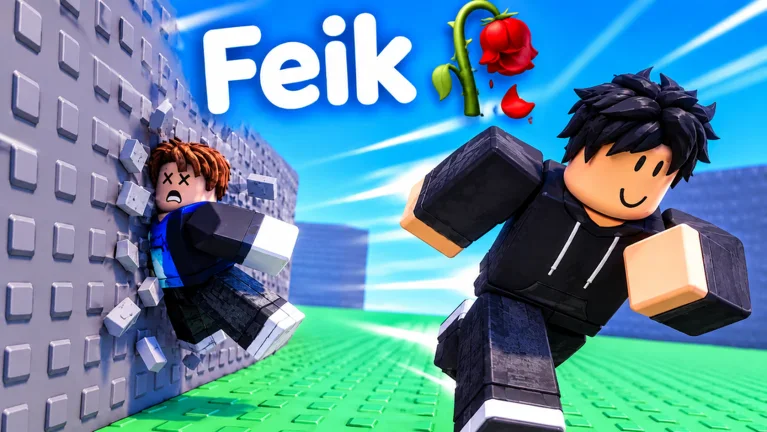
Roblox Codes

Fake a Player Wiki - Codes & Roblox

Fake a Player Roblox wiki with code updates, redemption help, and practical gameplay guides for fooling opponents with quick moves and sharp dodges.

7.6KPlaying now
3.6M+Total visits
116.2KFavorites
2026-11-28Updated
Fake a Player Wiki - Codes & Roblox
Beginner Guide

Fake a Player Beginner Guide

1

Read the lobby and identify your role

Join the lobby without sprinting randomly, then identify a corner or obstacle for a possible cut and a direction that avoids an immediate dead end. Wait until the mode and map are clear before committing. As a Survivor, preserve distance and an escape side; as an Infector or Slasher, prepare to close routes or attack from a useful angle.

  • Identify two useful landmarks before moving.
  • Confirm your role before chasing or escaping.
2

Choose a route with an open exit

Move toward a corner, obstacle, or loop only when you can see what happens afterward. Before reaching the landmark, name your next direction and check that the route does not end against a wall or crowded group. Keep a second option available, because a visible exit gives you space to react when the opponent changes direction or closes distance.

  • Keep your next turn visible.
  • Avoid dead ends and crowded routes.
3

Use a Fake and react to changes

Show an initial direction toward one side of the corner or obstacle, then wait until the opponent begins committing before cutting sharply across the available space. Use a crouch and turn when appropriate, and judge success by the space created. If marked in Infection Tag, stop evading and pursue a reachable Survivor while preserving route awareness.

  • Make the opponent commit before cutting.
  • Abandon repeated setups that create no space.
  • Switch from evasion to pursuit after marking.
4

Review the round and adjust

If eliminated, enter Spectating and study the remaining players’ turns, obstacles, loops, and failed routes. After the chase, check the result panel for visible MVP, cash, or coin feedback without assuming unconfirmed scoring rules. Choose one adjustment for the next lobby, such as delaying the cut, widening the loop, protecting your exit, or attacking the route.

  • Study surviving routes after elimination.
  • Treat displayed rewards as current feedback.
  • Change one practice variable next round.
Codes tracker

Fake A Player Codes

Latest collection
Current Status

No Codes Released Yet

Fake a Player has not started a code campaign yet. The developer has not published redeemable codes so far, and this page becomes the first place they appear the moment that changes.

Official Sources

Where Codes Will Drop

Future codes arrive through official channels: the Fake a Player Roblox game page and developer community posts. Check back after every major update and event.

Step By Step

How To Redeem Codes

Once codes go live, open Fake a Player, find the codes button in the game menu, type the code exactly as shown, and your reward lands on your account instantly.

Game Modes

Fake A Player Modes

Chase Growth

Infection Tag

Infection Tag starts with one Infector, then marked Survivors become Infected and join the chase against everyone remaining.

  • Change direction before multiple Infected players surround exits.
  • Use obstacles, crouching, and sudden turns while escaping.
  • Read the current role instead of assuming selection rules.
Verify Rules

Bomb Tag

Bomb Tag is a tag mode with explosion risk, but the live instructions must clarify its timer, passing rules, trigger, and winning side.

  • Follow the current prompt before choosing movement.
  • Confirm what status or object creates danger.
  • Do not assume Infection Tag rules apply.
Pursuit Movement

Slasher

Slasher places a Killer against Survivors, rewarding route changes, corners, crouching, and obstacles that disrupt predictable pursuit.

  • Preserve an exit before entering any corner.
  • Change direction before the Killer reaches contact.
  • Avoid repeating loops the pursuer can read.
Round Awareness

Roles And Spectating

Survivors may be marked, attacked, or eliminated depending on the mode, while eliminated players can spectate active routes and pursuit decisions.

  • Read the mode and role display first.
  • Reassess after conversions, attacks, or objective updates.
  • Treat player counts and win conditions as unconfirmed.
Survivor Tactics

Fake A Player Survivor Tactics

Route Planning

Routes and Obstacles

Use visible exits, corners, obstacles, and repeatable loops to preserve distance while avoiding blind turns and dangerous confined spaces.

  • Choose routes with visible exits before entering.
  • Keep a recovery option behind you.
  • Leave predictable loops before chasers cut across.
Chase Movement

Juking

Create a miss with sharp turns, sudden direction changes, obstacle loops, or crouching, but treat every juke as situational and dependent on available space.

  • Juke only when an escape opening remains.
  • Do not repeat failed inputs immediately.
  • Redirect toward routes offering more exits.
Temporary Reset

Hiding

Break line of sight behind rooms, corners, or cover, then preserve a known exit because discovered hiding places can quickly become traps.

  • Check your exit before entering cover.
  • Leave if the search closes your doorway.
  • Prefer known routes over unfamiliar deep cover.
Infection Danger

Infection Tag

Avoid the initial Infector and maintain independent escape space, because being tagged moves a Survivor onto the infected side.

  • Preserve distance instead of joining player clusters.
  • Check the live round display for counts.
  • Avoid narrow passages during early separation.
Post-Elimination

Spectating

Review surviving players after tagging or elimination, studying corners, loops, exits, and threat positioning without treating unusual movement as cheating proof.

  • Watch when survivors abandon predictable loops.
  • Compare movement choices with threat positions.
  • Test repeatable principles in later rounds.
Killers

Fake A Player Killers

RoleModeFunctionAccess
InfectorInfection TagTags SurvivorsRound assignment
InfectedInfection TagChases SurvivorsAfter tagging
SlasherSlasher roundHunts SurvivorsRound assignment
TargetAny chaseFavors constrained playersChase decision
Corner attackSlasher focusHides approachMap routing
Chase Movement

Fake A Player Movement Chase

1

Create readable distance

Choose whether you are escaping or chasing, then establish enough space to read the other player’s movement. Avoid beginning at point-blank range when another route is available. Watch whether the opponent is moving, waiting, or committing to a side. This distance gives you time to identify a genuine line instead of reacting to every displayed fake.

  • Choose the runner or chaser role.
  • Maintain space before attempting complicated changes.
2

Show a predictable line

Present a direction, pace, or route that the other player can reasonably predict. Use a simple movement pattern rather than random turns before the opponent has made a decision. The purpose is to invite commitment. Continue observing until the chaser travels into the displayed line or clearly leans toward one route instead of holding position.

  • Show one readable direction or rhythm.
  • Wait for actual commitment before changing.
3

Break the prediction

Once the opponent commits, cut away with a juke, Ankle Break, or sharp turn in the opposite direction. At close range, pair a duck with the direction change when the route allows it. Confirm whether the chaser lost the line or stayed patient. If they matched your turn, preserve distance and prepare a different branch rather than assuming success.

  • Use a situational movement choice.
  • Do not force an early Ankle Break.
  • Confirm the opponent actually missed.
4

Run through the opening

When the opponent loses position, move immediately along the new route and rebuild distance. Do not pause after a successful fake, because stopping lets the chaser recover. Use an obstacle or repeatable route only while it creates time or space. Leave the loop when the opponent reads it, and review Spectating to compare commitment timing with your turn.

  • Continue moving immediately after the dodge.
  • Leave routes that stop creating space.
  • Treat Spectating as observation, not proof.
Map Reference

Fake A Player Maps

ClueSupportUse
Huss ValleyNamed map leadLearn live layout
Repeated selectionNo rotation confirmedAdjust route plans
Indoor houseScene features describedCheck exits first
Walls and cornersChase geometry cluesBreak direct lines
Progression

Fake A Player Progression Loop

1

Read the round and choose your route

Start by confirming your role and the current chase context before moving. Survivors should preserve an escape option and avoid readable lines, while pursuers should approach angles that limit the opponent’s next turn. Identify a second direction before contact, then reassess whenever a tag, conversion, attack, elimination, or new threat changes which route and player matter.

  • Confirm your role and active round context.
  • Keep a reversible route before contact.
  • Reassess when the chase state changes.
2

Make one deliberate movement change

Use the round to test one clear movement decision, such as a quick turn, obstacle, crouch, loop change, or sharp dodge. Avoid repeating a predictable turn until the opponent reads it. Judge the attempt by whether it creates distance, breaks the chase line, or forces redirection, then identify the timing or mistake that should change next round.

  • Change direction before your movement becomes readable.
  • Preserve space instead of entering trapped corners.
  • Record why the movement worked or failed.
3

Review feedback and set the next target

Finish the round and inspect the visible result panel for Cash, MVP, placement, or leaderboard information. Record confirmed values without assuming a universal reward formula or treating MVP as first place. Use the result and your movement lesson to choose one next target, whether safer exits, stronger performance feedback, improved placement, spectating, streak progress, or Crew coordination.

  • Check feedback while the result panel remains visible.
  • Separate observed placement from unverified explanations.
  • Choose one specific next-round improvement.

Fake a Player FAQ

Get quick answers about the round flow, roles, movement, progression, and current code status before you play.

What is Fake a Player?

Fake a Player is a Roblox round-based chase game built around faking opponents, breaking their ankles, and using quick moves to escape or catch other players. Matches include survivor-style chases and slasher or infection pressure.

How do I start playing Fake a Player?

Join a round, identify your assigned role and mode, then find nearby routes and obstacles. Survivors should watch for the infector or killer, while offensive roles should look for exposed or isolated targets.

How does Infection Tag work?

One player starts as the infector, and tagged survivors join the infected side. Avoiding the initial infector keeps the infected team from growing and gives the remaining survivors more room to survive the round.

How can I escape a chase as a survivor?

Use jukes such as sudden turns, ankle breaks, ducking, and obstacle loops to make the pursuer miss. Change routes around map obstacles rather than relying on a straight escape, especially when multiple players are pursuing you.

What do the killer and infector roles do?

The infector tags survivors in Infection Tag, while the slasher hunts and attacks survivors. Both roles should track visible targets, choose useful attack angles, and prioritize vulnerable or isolated players.

Are there any active Fake a Player codes?

No codes are currently listed in the provided code records. Check the code status again when new reward codes are published rather than relying on unverified code claims.