In Fake a Player, the killer side is built around two different jobs: spreading pressure through Infector and Infected in Infection Tag, or creating a clean attack opportunity as Slasher. The most reliable approach is not to chase the nearest Survivor forever. Read the route, choose a target who is isolated or constrained, and use corners and blocked sightlines to shorten the reaction window.
The available reference records are:
| Killer role or tactic | Where it applies | What it does | How it enters play |
|---|---|---|---|
| Infector | Infection Tag | Tags Survivors; tagged players join the infected side | Assigned when the round begins |
| Infected | Infection Tag | Chases and Tags Survivors who are not infected | A Survivor becomes infected after being Tagged |
| Slasher | Slasher round | Hunts and attacks Survivors while controlling chase routes | Assigned by the Slasher round |
| Target priority | Any killer chase | Favors isolated, restricted, or repeatedly pressured targets | A decision made during the round |
| Corner attack | Especially Slasher | Uses a corner or blind spot to approach before the target can react | Performed through map routing |
This is a role-and-decision reference, not a complete stat sheet. The available material does not establish attack range, cooldowns, infection radius, selection odds, or a universal victory condition. Treat the current round and its on-screen rules as authoritative when they differ from this overview.
Infector and Infected pressure
Infector is the opening pressure role in Infection Tag. The important distinction is that a successful Tag can change the chased player's side. The tagged Survivor becomes Infected, so the original Infector is no longer the only pursuer. Each conversion can therefore make later chases easier by adding another player who can close routes and force mistakes.
See how Infection Tag creates an Infected pursuer
This moment supports the Infection Tag explanation that a tagged player becomes infected and adds pressure to the chase.
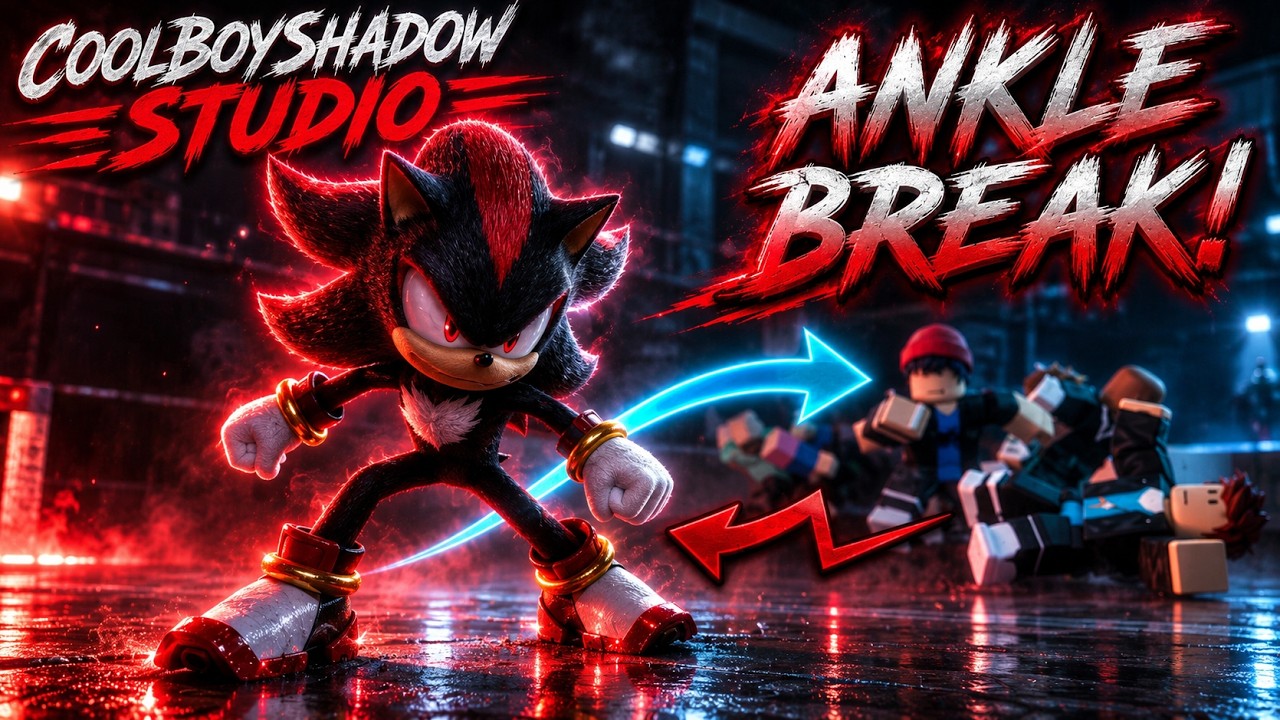
Start by looking for a Survivor who is visible, separated from the group, or already committed to a narrow route. A first Tag has value beyond that single contact: it creates another infected pursuer. Once the new Infected player joins the chase, approach from different angles instead of running directly behind the target. One pursuer can encourage a turn; a second pursuer can cover the escape direction created by that turn.
The reference material does not confirm whether infected players retain every movement option they had before conversion, nor does it provide a fixed Tag distance or hit判定. Do not build a strategy around an assumed range. Close the gap through route control and use the game's visible feedback to decide whether contact registered.
For an Infected player, the immediate objective is still a Survivor who has not been converted. Follow the original Infector's pressure rather than duplicating the exact same line. If both pursuers occupy the same lane, the Survivor may only need one sharp turn to escape both. Splitting the approach around an obstacle or corner makes the target choose which threat to respect.
An opening cutscene may also obscure forward vision at the start of a round, according to the supplied player discussion. Because the exact trigger and duration are not established, treat it as a possible early-visibility problem rather than a guaranteed timing rule. Check your view before committing to a straight chase.
Slasher target selection
Slasher is less about expanding the killer team and more about converting a read of the Survivor's movement into one successful attack. Player discussion describes the Slasher targeting a particular player and attacking from corners. Those observations support a practical priority system, but they do not prove that the game assigns a fixed target or gives the role a hidden target bonus.
Review Slasher target selection and corner attacks
These moments support the Slasher guidance on choosing a target and using corners to reduce the Survivor's reaction time.
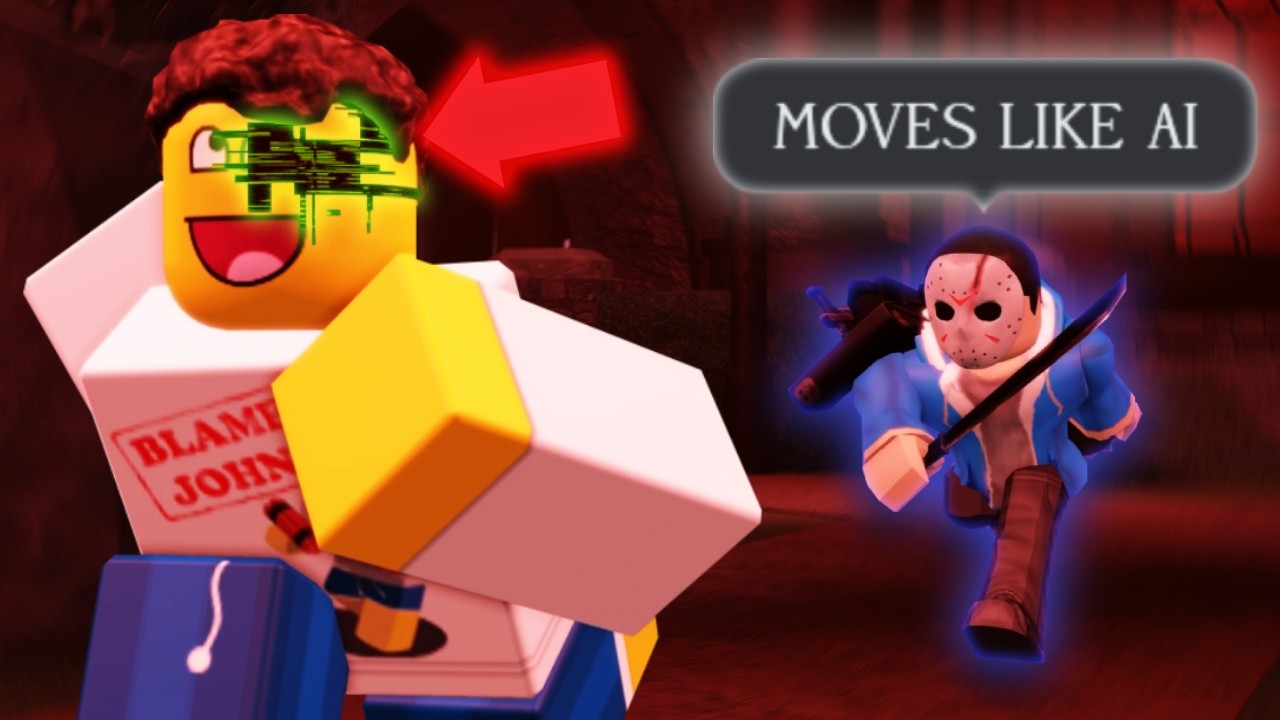
Choose a target using three questions:
- Can the target be isolated? A Survivor away from teammates has fewer immediate route changes to hide behind and is easier to approach from an unexpected direction.
- Is the route constrained? Obstacles, narrow passages, and committed turns reduce the number of directions the target can take. These locations are more valuable than open ground.
- Is the chase producing progress? If a Survivor repeatedly jukes, loops, or forces you to trail them without closing distance, switch targets rather than donating the entire round to one pursuit.
This does not mean abandoning every difficult target immediately. A strong looper can still be useful if another player is nearby and your pressure is creating a better angle. The decision is whether the chase is changing the Survivor's position. If it is not, break contact, move to a corner or intersection, and look for a target whose route is easier to predict.
The supplied records mention Noly, Cool Kid, John Doe, One X, and Azure in player opinions about handling high-mobility targets. Those comments are not a complete kit comparison, so they should not be read as verified rankings or proof that one character always counters another. Use the current character panel for any ability details and judge the chase by the movement you can actually observe.
Corner attacks and route control
The clearest Slasher tactic in the evidence is attacking from corners. A corner is useful because it hides your approach and reduces the time a Survivor has to recognize your direction. The tactic is not tied to one named map location: use the principle wherever an obstacle, turn, or sightline break can conceal your approach.
Do not rush around every corner at full commitment. First read the Survivor's likely exit. If they are moving toward the turn, position so the approach meets them after the blind spot. If they are already juking, delay long enough to see whether they reverse direction. A predictable rush lets the Survivor pre-turn or loop back around the obstacle.
Maps matter because the same role behaves differently in open space and around cover. In open space, a Survivor can expose your approach earlier and has more room for a sharp dodge. Around an obstacle, your route choice can make the Survivor turn before they have seen you. The goal is not simply to hug walls; it is to make your movement intersect the target's next decision rather than their current position.
Use Juking, quick turns, crouching, and circling as signals to interpret, not as guaranteed counterplay rules. The available material identifies these movement behaviors as relevant to killer prediction but does not define their exact speed, invulnerability, or hit interaction. Watch for the direction change, then commit when the route is constrained.
A practical killer chase
At round start, identify the mode and your assigned role. In Infection Tag, an Infector should seek a realistic first Tag that can create an additional pursuer. In a Slasher round, look for a target and a nearby route break rather than sprinting into the most visible group.
Next, observe before committing. Note who is alone, who is moving toward an obstacle, and who is repeatedly taking the same turn. These are opportunities, not fixed system priorities. Approach along a line that reduces the target's available exits. When possible, let a corner hide the final part of the approach.
After contact or a forced turn, check the outcome. In Infection Tag, a successful Tag should result in the player joining the infected side; use that change to widen the pursuit. As Infected, take a different angle from the original pursuer. As Slasher, continue only if the target's route is becoming shorter or more restricted.
If the Survivor escapes into open space, do not assume that raw persistence will solve the chase. Reposition toward the next corner, intersection, or obstacle. If the Survivor is consistently winning the same loop, switch to a more isolated or constrained target and preserve your time for a better attack window.
After the round, use spectating when available to study target selection, approach timing, and route choices. The Leaderboard, survival result, or MVP result may help compare outcomes, but the complete scoring formula is not established here. Use those screens as feedback on the round, not as proof of a specific hidden stat.
Limits and current-round checks
Several details remain intentionally open. The evidence does not confirm Infection Tag's full win condition, infection range, hit detection, cooldowns, role-selection probability, or whether an Infected player keeps all prior movement abilities. It also does not provide a complete Slasher attack specification or fixed map positions for corner attacks.
That means a good killer guide should provide decisions rather than invented numbers. Confirm the mode's current instructions, watch for the visual or state change after a Tag, and use the current character or round panel for mutable role information. A player claim about cheating, perfect looping, or always knowing the Killer's position is not enough to establish a mechanic. Base your next chase on observable route behavior and switch plans when the round gives you new information.
Killer FAQ
What is the main difference between Infector and Slasher?
Infector expands the chasing side by Tagging a Survivor, who then becomes Infected. Slasher focuses on selecting a target, controlling the route, and creating an attack opportunity, especially around corners.
Who should a killer chase first?
Prefer a Survivor who is isolated, moving into a restricted route, or already being pressured into repeated mistakes. If a target keeps winning the same loop without losing space, reposition or switch targets instead of continuing an unproductive chase.
Does Fake a Player confirm a fixed infection range or cooldown?
The available reference does not confirm a fixed infection range, hit detection, cooldown, or role-selection probability. Use the current round's visible rules and feedback rather than relying on an assumed number.
How does a corner attack help the Slasher?
A corner or blind spot can hide the approach and reduce the Survivor's reaction time. Read the likely exit first, then approach when the target's route is committed; rushing every corner predictably can give the Survivor time to turn or loop back.